
A Neighborhood with a Distinct Identity
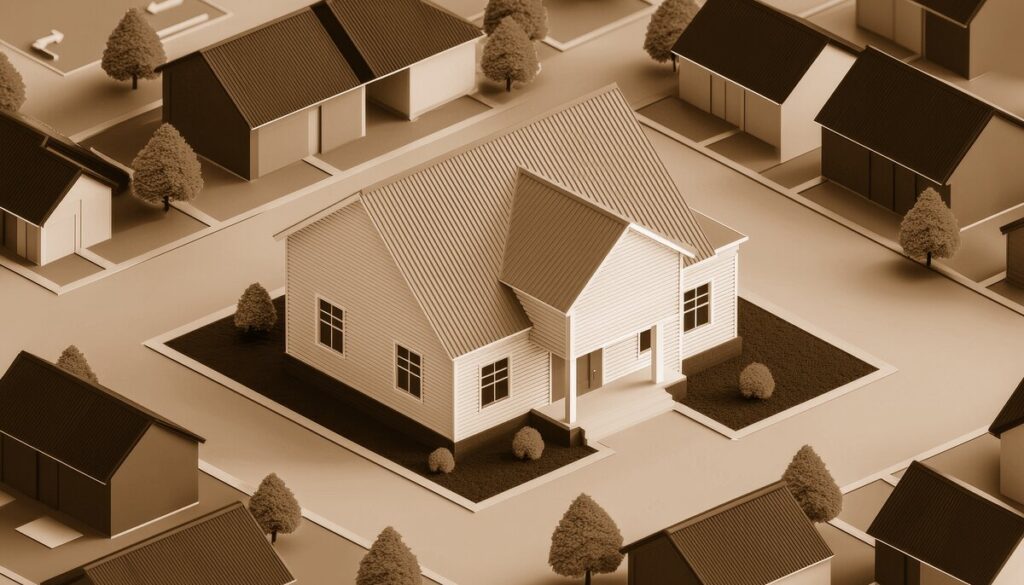
On the northern side of New Rochelle, White Birches is the kind of neighborhood that can be easy to overlook if you are simply passing through—but familiar to generations of residents. Its streets are primarily residential, its homes sit among mature trees, and its atmosphere is shaped less by grand public landmarks than by the steady rhythm of everyday life: children walking to school, neighbors tending gardens, and families gathering on front porches and driveways.
White Birches includes Ronbru Drive, Stuart Drive, Andrew Lane, Laron Drive, Stanton Circle, Marion Drive, and portions of Stratton Road and Surrey Drive. The neighborhood lies near the Wykagyl area and close to several other established residential communities, giving it a strong connection to the broader suburban landscape of northern New Rochelle. ([everything.explained.today](https://everything.explained.today/List_of_neighborhoods_in_New_Rochelle%2C_New_York/?utm_source=openai))
Before the Neighborhood Was Built
Long before White Birches appeared on city maps, this part of New Rochelle was part of a much more rural landscape. New Rochelle began as a settlement of French Huguenots in the late seventeenth century, and for much of its early history the surrounding uplands were characterized by farms, wooded tracts, stone walls, and country roads.
The northern part of the city remained less densely developed than the waterfront and downtown districts. Roads such as North Avenue, Stratton Road, and Surrey Drive gradually connected farms and estates with the growing city. What later became neighborhood streets had once been part of larger parcels, fields, and wooded properties.
This pattern was common throughout Westchester during the late nineteenth and early twentieth centuries. As rail transportation, automobiles, and improved roads made commuting more practical, farmland and country estates began to give way to planned residential subdivisions. New Rochelle became especially attractive to families seeking more space while remaining within reach of New York City.
How White Birches Got Its Name
The name White Birches appears to have emerged from the character of the residential subdivision rather than from a single famous person or historic event. Publicly available records identify White Birches as a legal subdivision and neighborhood, but do not clearly document the exact date or person responsible for naming it. Property records continue to use “White Birches” as the subdivision designation for homes on streets including Andrew Lane, Marion Drive, and Stanton Circle. ([countyoffice.org](https://www.countyoffice.org/property-record-70-andrew-ln-new-rochelle-ny-10804-392/?utm_source=openai))
The name itself is wonderfully evocative. Birch trees have long been associated with light-colored trunks, open woodland, and a clean, settled suburban setting. In a neighborhood developed among wooded and semi-rural land, “White Birches” would have conveyed both natural beauty and a sense of refinement. It fits the naming tradition of nearby New Rochelle communities, many of which use names such as Wykagyl, Wilmot Woods, Forest Knolls, and Bayberry Park to suggest greenery, landscape, and a peaceful residential setting.
Whether or not a particular stand of birches gave the subdivision its name, the name reflects the way early developers marketed suburban life: close to nature, removed from city congestion, and designed for families.
The Growth of a Residential Community
White Birches took shape during the great suburban expansion of the twentieth century. By the middle decades of the century, New Rochelle was no longer simply a historic harbor city. It had become a mature suburban community with distinct neighborhoods, schools, shopping areas, houses of worship, parks, and commuter connections.
The homes of White Birches reflect that period of growth. The neighborhood is primarily composed of single-family residences, with architectural styles and alterations that show several generations of homebuilding. Some houses retain the proportions and details associated with mid-century suburban design, while others have been expanded, renovated, or redesigned to meet contemporary needs.
The winding arrangement of streets such as Andrew Lane, Laron Drive, Marion Drive, and Stanton Circle gives White Birches a more intimate feel than a rigid city grid. Stuart Drive and Ronbru Drive help define its residential character, while Stratton Road and Surrey Drive connect the neighborhood to the surrounding road network.
Like many New Rochelle neighborhoods, White Birches was shaped by the balance between privacy and accessibility. Residents could enjoy relatively quiet streets while remaining near North Avenue, the Wykagyl business district, schools, churches, shopping, and major routes leading toward Scarsdale, Eastchester, and the Bronx.
Schools and the Life of the Community
Schools have always been among the institutions that give New Rochelle neighborhoods their identity. White Birches is located within the New Rochelle City School District, and nearby public schools have helped connect neighborhood families across generations. Ward Elementary School, located in the broader northern New Rochelle area, is one of the local institutions associated with this part of the city. ([everything.explained.today](https://everything.explained.today/List_of_neighborhoods_in_New_Rochelle%2C_New_York/?utm_source=openai))
For longtime residents, the history of a neighborhood is often remembered through school experiences as much as through official documents. Walks to school, after-school games, neighborhood friendships, and family activities create a living history that does not always appear in city archives.
The same is true of nearby religious congregations, civic groups, youth organizations, and local businesses. Even when they are technically outside White Birches, they help define the daily world of its residents. The neighborhood has always been part of a larger network of northern New Rochelle communities rather than an isolated enclave.
Parks, Trees, and the Northern New Rochelle Landscape
White Birches does not have a large public park at its center, but its character is closely tied to the green spaces surrounding it. The neighborhood is near Ward Acres Park, one of New Rochelle’s most important natural areas. The city describes Ward Acres as its largest public park, with wooded trails, open spaces, and a landscape connected to the area’s agricultural past. In 1962, New Rochelle acquired the remaining 62 acres and established the park as a public resource. ([newrochelleny.gov](https://www.newrochelleny.gov/wardacres?utm_source=openai))
That history matters to White Birches because Ward Acres preserves something of the landscape that existed before suburban construction. Its woods and open fields offer a reminder that northern New Rochelle was once defined by farms and country properties. Today, residents can walk among mature trees, enjoy seasonal changes, and experience a quieter side of the city without leaving New Rochelle.
The neighborhood’s own trees are equally important. Mature plantings along residential streets soften the architecture, provide shade, and help preserve the feeling suggested by the name White Birches. In many ways, the trees are the neighborhood’s most enduring visual landmark.
How White Birches Has Evolved
Over the decades, White Birches has changed in practical ways while retaining its basic identity. Houses have been renovated, additions have been built, and landscaping has matured. Families who once moved into new homes in the postwar period have been followed by later generations, newcomers, and longtime owners who have remained rooted in place.
The neighborhood has also evolved with New Rochelle itself. Improved transportation, changing household patterns, new technology, and shifting ideas about home design have all left their mark. Yet White Birches has not lost its essential appeal. Its streets remain primarily residential, and its sense of place comes from continuity rather than spectacle.
That continuity is what makes the neighborhood special. A walk along Andrew Lane or Stuart Drive may not reveal a single celebrated historic building, but it offers something just as meaningful: a landscape shaped by decades of ordinary lives. The homes, trees, sidewalks, and familiar turns in the road form a local record of New Rochelle’s suburban history.
The Enduring Appeal of White Birches
White Birches represents an important chapter in New Rochelle’s story—the transformation of former rural land into welcoming residential neighborhoods during the city’s twentieth-century growth. Its name, streets, mature trees, and proximity to Ward Acres and northern New Rochelle’s institutions all contribute to its identity.
For longtime residents, the neighborhood’s charm is found in its everyday details: the quiet of a summer evening, the changing colors of fall, the sound of children playing, and the comfort of seeing familiar houses year after year. White Birches may not announce its history with monuments or grand gates. Instead, its heritage lives in the landscape and in the people who have cared for it.
That is perhaps the most fitting legacy for a neighborhood named after trees: rooted, peaceful, and quietly enduring.